Way back in 2021, the gaming world got a spicy surprise—a platform fighter starring all our favorite Nickelodeon cartoon legends. Fast forward to 2026, and guess what? That surprise party is still going strong! Nickelodeon All-Star Brawl didn't just show up to be a simple Super Smash Bros. clone with cartoon characters slapped on. Nope, it came packing some serious competitive heat right from the get-go. The devs weren't messing around; they showed off mechanics that made hardcore fighting game fans sit up and take notice. It was clear this game wanted to carve its own path in the competitive scene, and oh boy, did it ever try.
The Mechanics That Made Everyone Go "Whoa" 🎮
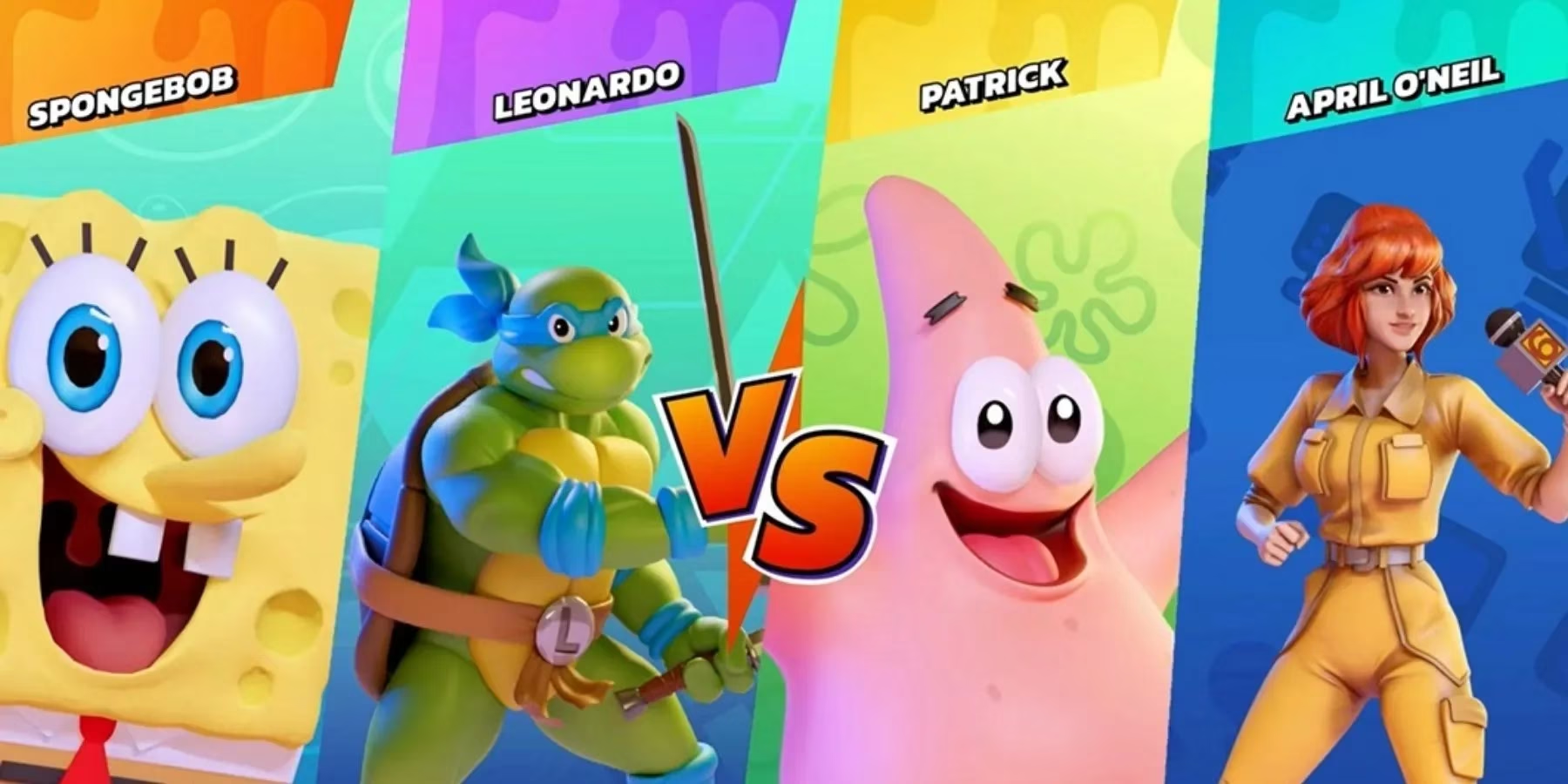
Right off the bat, the comparisons to Super Smash Bros. were flying everywhere. But once players got their hands on it, the conversation shifted. This wasn't just a copy-paste job. The game had the usual suspects: light attacks, heavy attacks, and special moves. But then it dropped the bombshells: wavedashing and some unique blocking mechanics. For the uninitiated, wavedashing is like the secret handshake of the competitive Smash Bros. community—a tricky movement tech that separates the casuals from the pros. Including it was a bold statement: "We're here to play with the big kids."
-
Wavedashing: Allowed for slick, precise movement and positioning.
-
Unique Blocking: Added another layer of mind games to defensive play.
These features were like catnip for competitive players looking for a fresh challenge beyond Super Smash Bros. Ultimate. It showed the developers, Ludosity and Fair Play Labs, had done their homework and respected the genre's depth.
A Roster That's Pure Nostalgia Fuel 😭
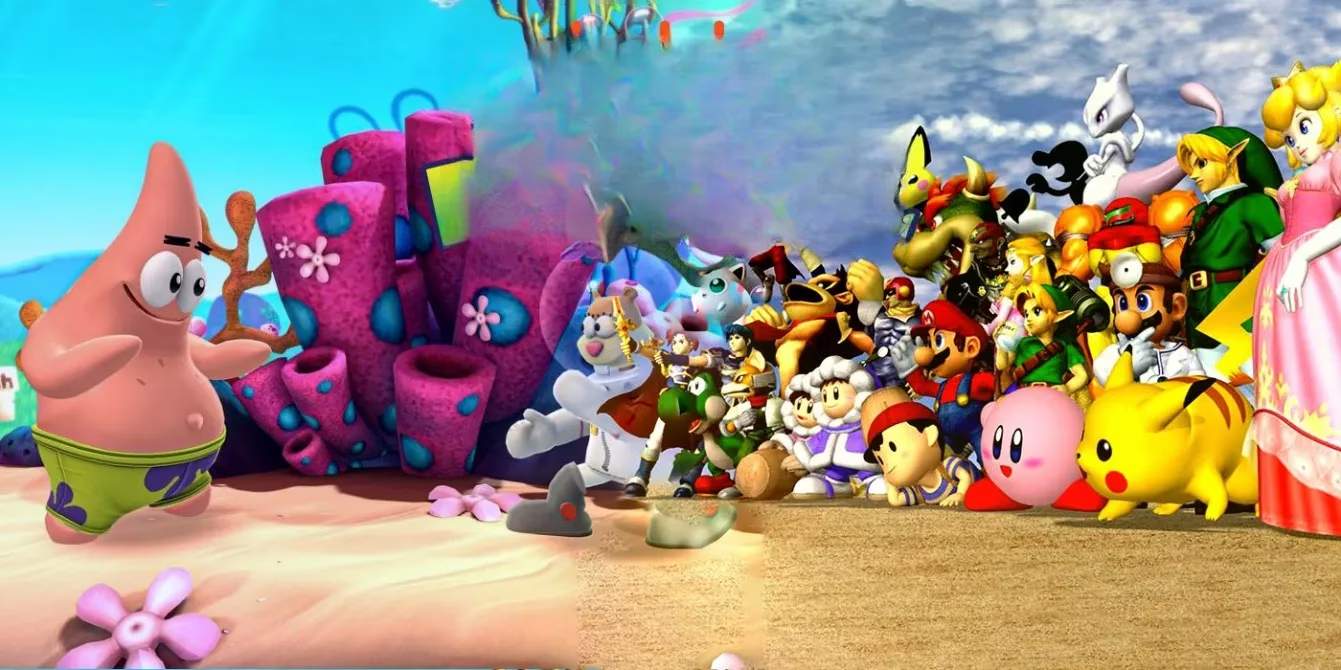
Let's be real for a sec—mechanics are great, but what really pulls people in? The characters. And holy cow, did this game deliver. We're talking a walk down memory lane with your entire childhood. From the eloquent Nigel Thornberry ("Smashing!") to the absorbent, yellow, and porous Spongebob Squarepants, the roster was a love letter to Nicktoons fans. This wasn't just a fighting game; it was a reunion special where you could make Lincoln Loud fight Reptar. That emotional connection was a powerful hook. Players picked it up for the faces they loved, and many stayed for the surprisingly deep gameplay they discovered.
Building a Competitive Community From the Ground Up 🏗️
The potential for a lasting competitive scene was baked right in. It wasn't just about having a wide roster; it was about variety and depth. Each fighter played distinctly, which is the perfect recipe for:
-
Evolving Metagames: Players constantly discovering new strategies and counter-strategies.
-
Tier List Debates: The eternal community pastime of arguing who's top tier.
-
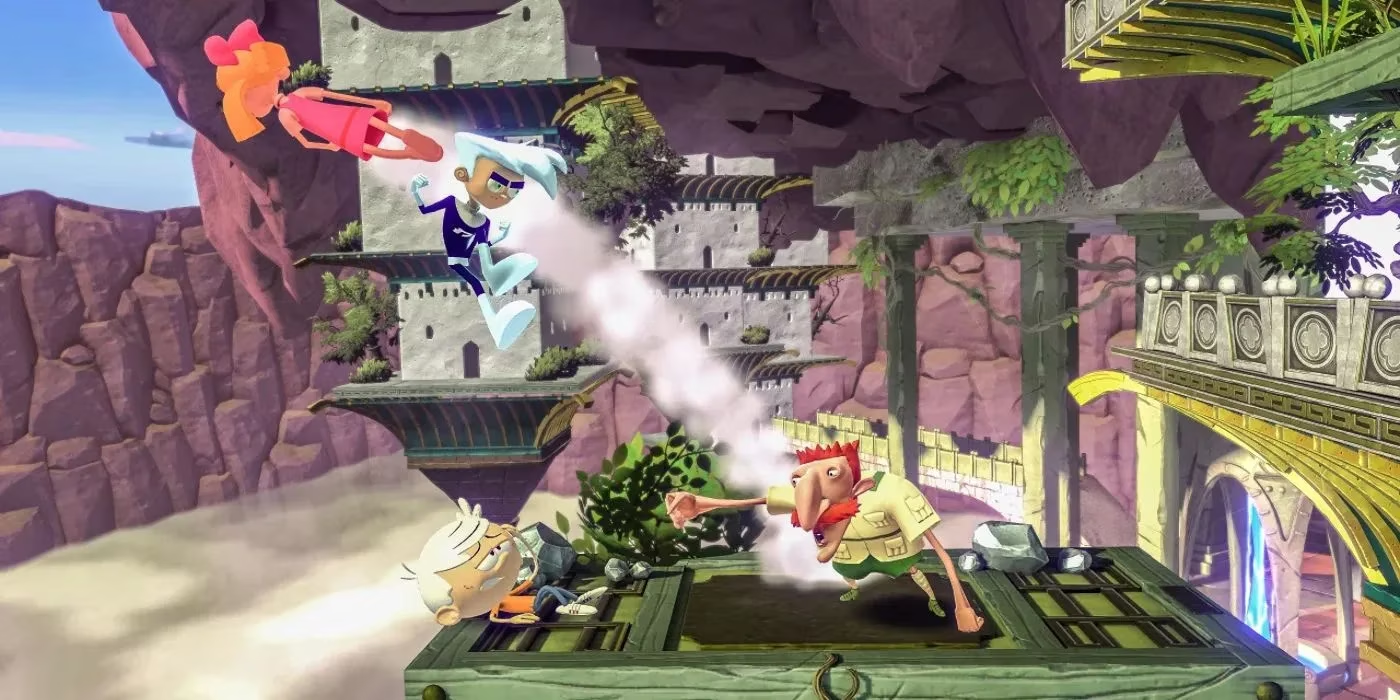
Strategic Stages: The Nick-inspired maps weren't just pretty backgrounds. They forced players to adapt their movement and strategies, adding a whole extra chess match to each fight.
And let's talk about the secret weapon: rollback netcode. In 2021, this was a huge deal. For online play, good netcode is everything—it means smoother, fairer matches with less lag. Announcing rollback netcode was like promising high-quality fuel for the competitive engine. It showed the developers were serious about supporting online tournaments and grassroots competition, which is where many fighting game communities thrive.
The Legacy and The Road to 2026 🛣️
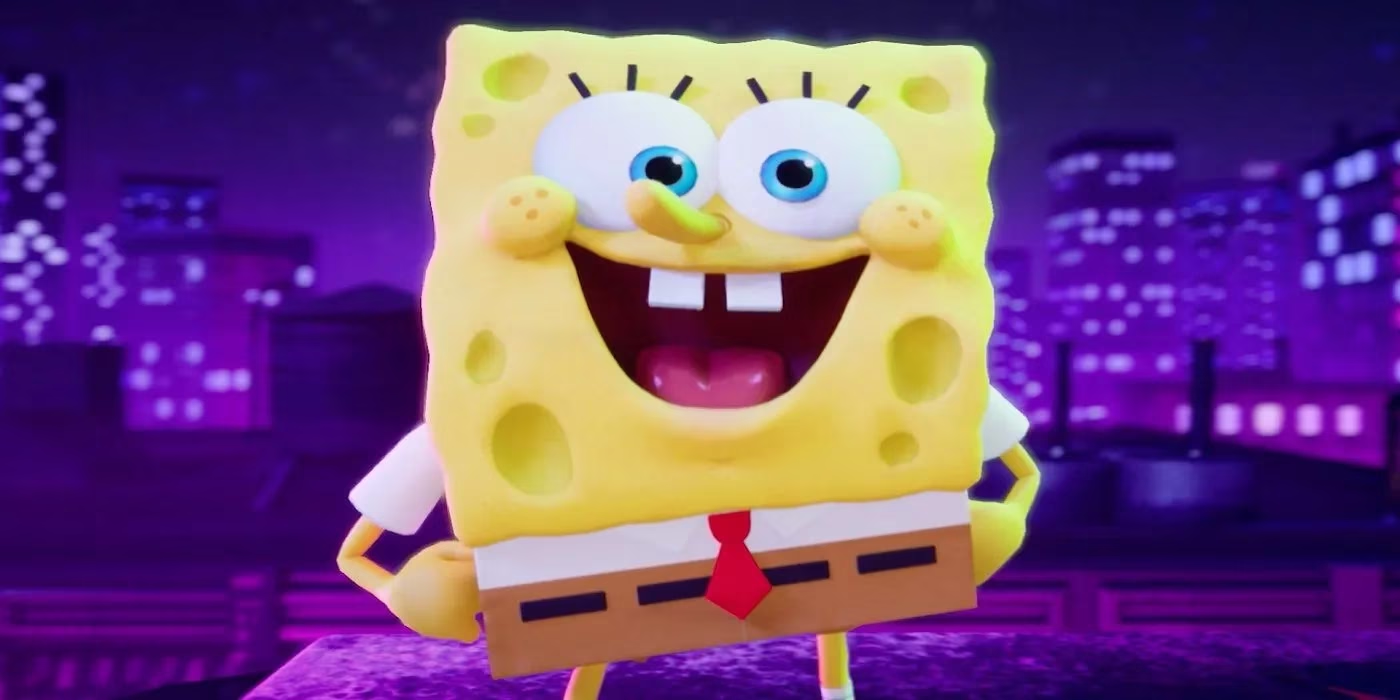
So, where did all this ambition lead? The game launched on October 5, 2021, across all platforms, carrying the hopes of being a legitimate, licensed cartoon fighter. It faced a gargantuan task trying to reach the cultural behemoth that is Smash Bros., but its goal was always to carve out its own niche. The thoughtful movesets, competitive mechanics, and beloved roster had all the ingredients to spawn a dedicated community.
Fast forward to today, in 2026. The story of Nickelodeon All-Star Brawl is one of passionate players and continuous evolution. While it may not have dethroned the giants, it proved that with care and respect for the genre, a cartoon crossover could be more than just a casual party game—it could be a fighter with heart, soul, and a competitive spirit that certain communities still cherish. It added a legitimate, fun chapter to the history of licensed games, showing that with the right mechanics and love for the source material, anything is possible. Not too shabby for a game where you can throw a pie with Powdered Toast Man, huh?
Comments