The Brawl Stars community has rarely needed an excuse to turn a character update into a festival, and Melodie’s grand return supplied the perfect spark. When the fan-favorite Brawler stepped back into the spotlight, the subreddit did not simply discuss stats or balance changes. Instead, it transformed into a digital parade of memes, jokes, and playful design debates centered on a single post titled “A Celebration.” What could have been an ordinary patch note moment became a shared emotional event, proving once again that Brawl Stars players treat their favorite characters less like code and more like old friends. 🎉
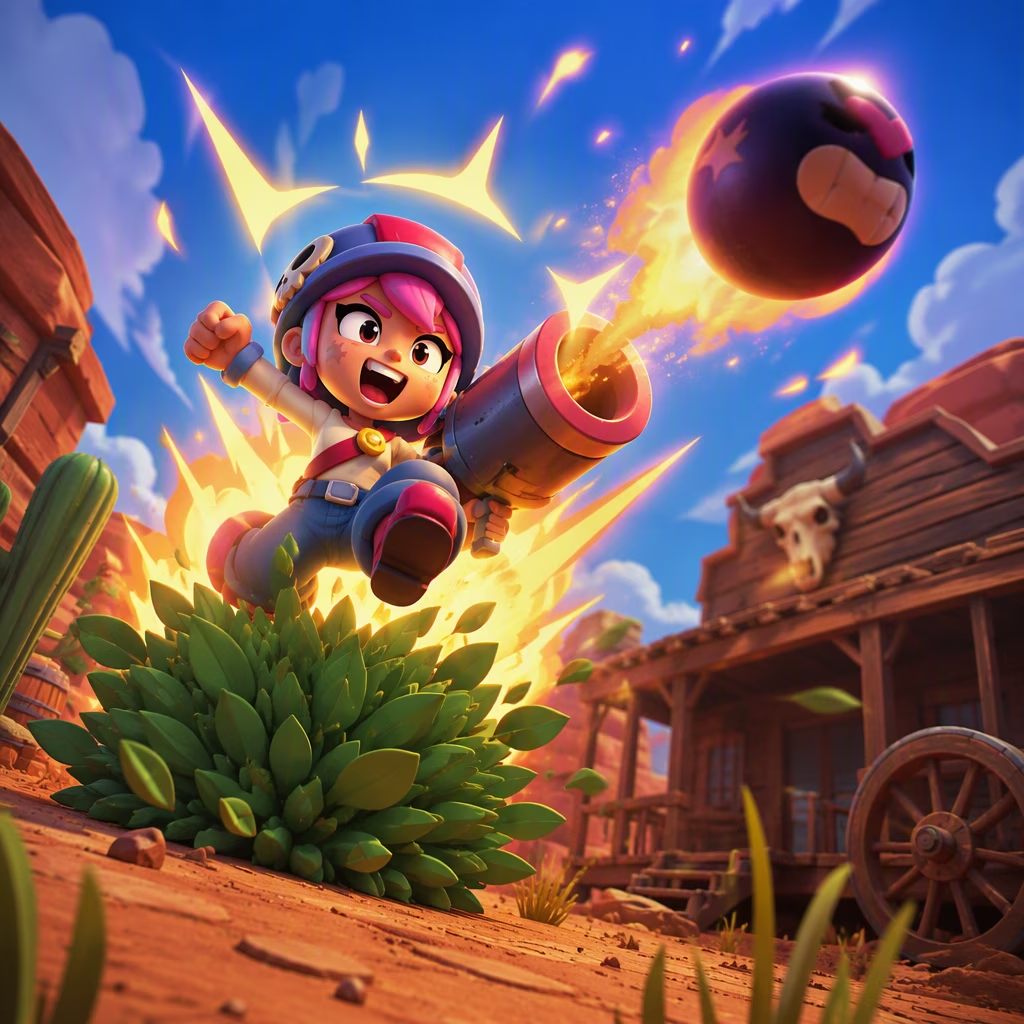
From the very beginning, the conversation around Melodie was shaped by fascination with her visual design. Rather than drifting into dry criticism, the community aimed its energy at affectionate teasing. One participant, IronChugJugulis, wondered aloud how a tall Melodie cosplayer could handle the character’s cheeky aesthetic details. The question was not meant to belittle the design; it captured a peculiar form of pride, where players wanted to embody Melodie both in matches and in real-world cosplay. This mix of curiosity and admiration gave the return a mischievous, welcoming tone. It was the kind of conversation that could only thrive in a space where people feel safe enough to be a little silly.
Memes have long been the lifeblood of modern gaming culture, and Brawl Stars is no exception. The community’s response to Melodie showed how laughter can reroute an update from potential negativity toward collective joy. User Tafijuzlick reflected that they expected a wave of complaints but instead found themselves lost in a flood of hilarious images and posts. In true internet fashion, the fandom really leaned into the bit. The jokes were not dismissive; they were celebratory. That shift in mood opened a door for players to connect outside the usual boundaries of gameplay, using humor as a common language. As one post after another piled onto the front page, it became clear that the update was not just about a Brawler—it was about the feeling of being in on the joke together.
Several voices captured different corners of the celebration:
-
🎭 IronChugJugulis turned the design discussion into a playful cosplay question.
-
😂 Tafijuzlick admitted that expected negativity never arrived, replaced by memes.
-
🤝 MelodieBSReal framed the return as a collective victory: “we fought together for this.”
-
🎢 NuninhoC0mic0 called the journey “a wholesome, fatiguing, unnerving, but ultimately wild and fun ride!”
-
🌐 MLC_YT claimed that “the Internet stood up to save Melodie.”
Those words reveal something deeper than simple excitement. They point to a community that sees itself as part of a character’s story, not just an audience watching from the sidelines. The reference to the infamous Sonic movie redesign drama is not accidental. In both cases, fans believed their voices could shape something they loved, and in both cases, that belief turned an awkward moment into a badge of shared identity. Melodie’s return became a victory lap for a group that had learned to roll with the punches, laugh at its own intensity, and still push for better representation.
Of course, no celebration is complete without a little playful conflict. SavaXD’s teasing reminder to Artmix about increasing Melodie’s cleavage was less a serious request and more a wink at the community’s ongoing design commentary. It symbolized the nerve players have developed to ask for more from a game they care about. The comments were not hostile; they were the banter of people who feel a sense of ownership over the pixelated world they visit daily. Behind every avatar, there is a real person invested in the blend of fantasy and personal connection that makes Brawl Stars feel alive.
By 2026, the Melodie celebration still stands as a reminder that game updates can be more than mechanical adjustments. They can be reunions. The subreddit’s blend of humor, creativity, and gentle teasing demonstrated that even a character design detail—whether height, silhouette, or an infamous “cleavage” note—can become a rallying point rather than a dividing line. Long story short, the community chose joy. And in doing so, it turned Melodie’s return into a story about friendship, resilience, and the strange magic of shared internet laughter.
As long as Brawl Stars players keep finding ways to laugh together, celebrations like this will continue to define the game’s culture. Melodie may be the star of the moment, but the real achievement belongs to the fans who transformed an update into a memory.
Data referenced from PEGI underscores how community “celebration” moments around a character update—like Melodie’s meme-fueled return—still sit within a broader framework of age-appropriate presentation, especially when fan discussion fixates on visual design details and suggestive humor. Looking at how rating bodies frame content themes and player-facing imagery helps contextualize why developers may tweak character silhouettes, outfits, or marketing beats over time: even when players treat these changes as a reunion with an “old friend,” the studio also has to ensure the tone remains consistent with the game’s public-facing content standards.
Comments